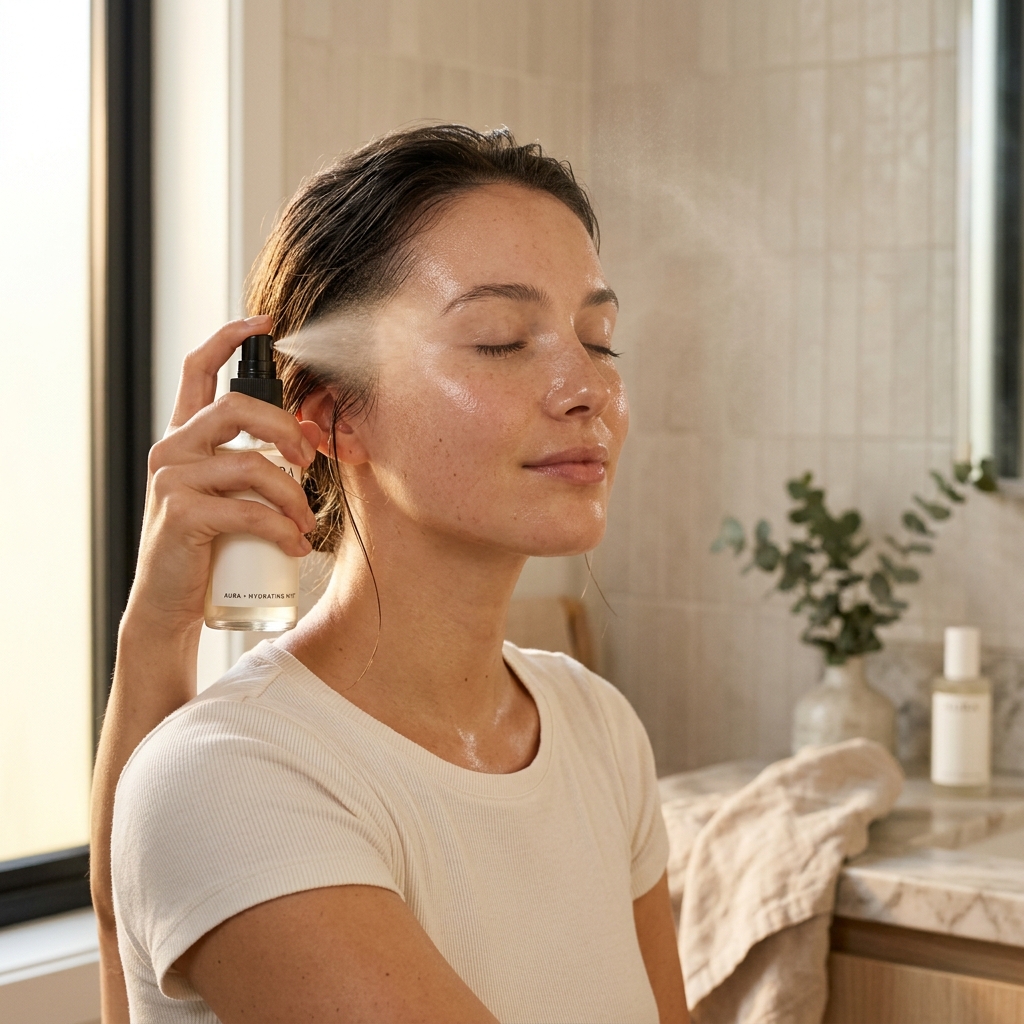
If your skin constantly feels tight, looks dull, or flakes no matter how much moisturizer you slather on, the problem is not your products — it is your hydration strategy. Most people confuse moisturizing with hydrating, but they address entirely different skin needs.
- Apply Products to Damp Skin — Always
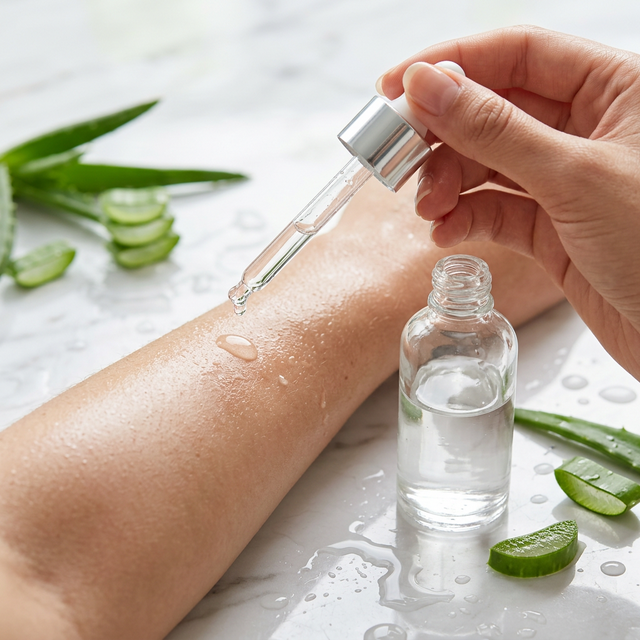
When you apply hyaluronic acid or any water-based product to damp skin, you give humectant ingredients actual water molecules to bind to.
- Layer Hydration in Three Steps
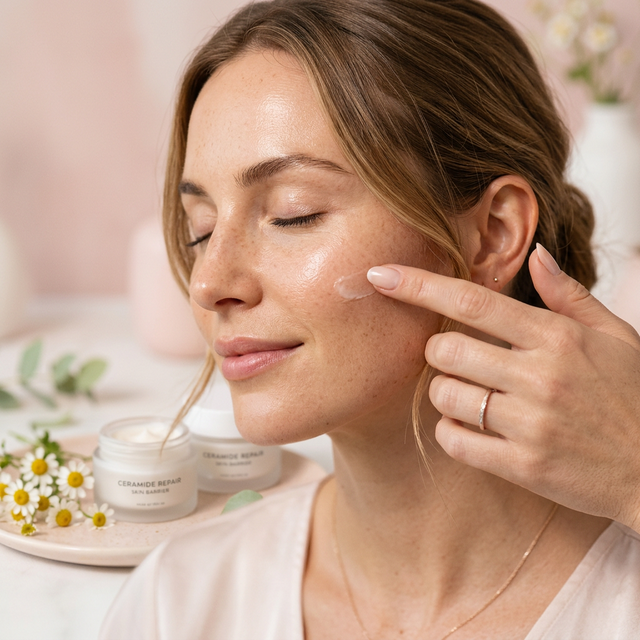
The hydration sandwich method: hydrating toner first, hyaluronic acid serum second, ceramide-rich moisturizer third.
- Switch to a Cream Cleanser in Winter
Foaming cleansers strip natural oils. Switch to a cream or milk-based cleanser during colder months.
- Use a Humidifier While You Sleep
A bedside humidifier prevents transepidermal water loss during your skin's peak repair window.
- Add Glycerin to Your Routine
Glycerin draws moisture from the environment and works even in low-humidity conditions.
- Never Skip SPF — It Prevents Moisture Loss
UV damage actively damages your moisture barrier and thins the stratum corneum.
- Eat Your Water
Water-rich foods like cucumbers, watermelon, and spinach deliver hydration more efficiently than water alone.
- Use Overnight Sleeping Masks Weekly
Hydrating sleeping masks create a sealed environment that prevents moisture evaporation while you sleep.
- Avoid Over-Exfoliating
Limit chemical exfoliation to twice weekly and always follow with extra hydration layers.
- Check Your Water Temperature
Hot showers strip protective oils. Switch to lukewarm water for face washing.
"Hydration is not about one miracle product — it is about creating an ecosystem where moisture enters, stays, and is protected."
The Bottom Line
Dehydrated skin is a condition that affects every skin type. The solution is smarter hydration habits that work with your skin's biology.
Bioglow-AI analyzes your skin's hydration levels and recommends the exact hydration strategy tailored to your unique needs.








Loading responses...