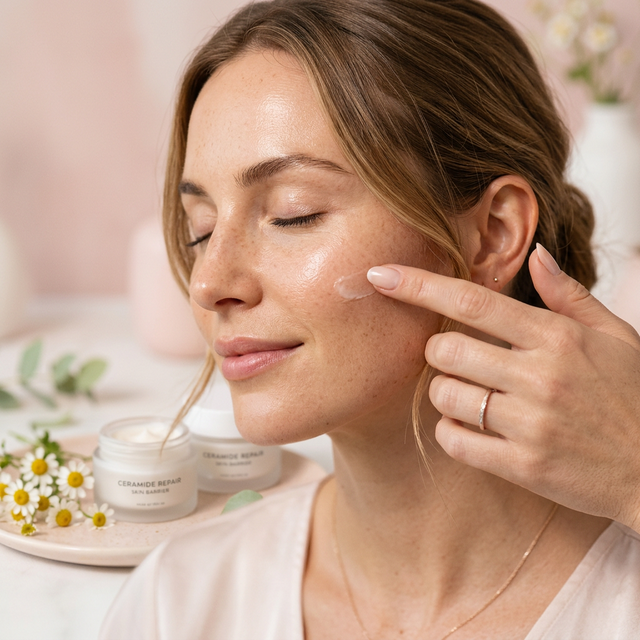
If there is one concept every skincare enthusiast should understand, it is the skin barrier. Think of it as a brick wall: your skin cells are the bricks, and lipids — ceramides, cholesterol, and fatty acids — are the mortar holding everything together. When this wall is intact, your skin stays hydrated, calm, and resilient. When the mortar crumbles, everything falls apart.
Understanding your barrier is the first step toward fixing persistent skin problems that no serum or cream seems to solve.
Signs Your Skin Barrier Is Damaged
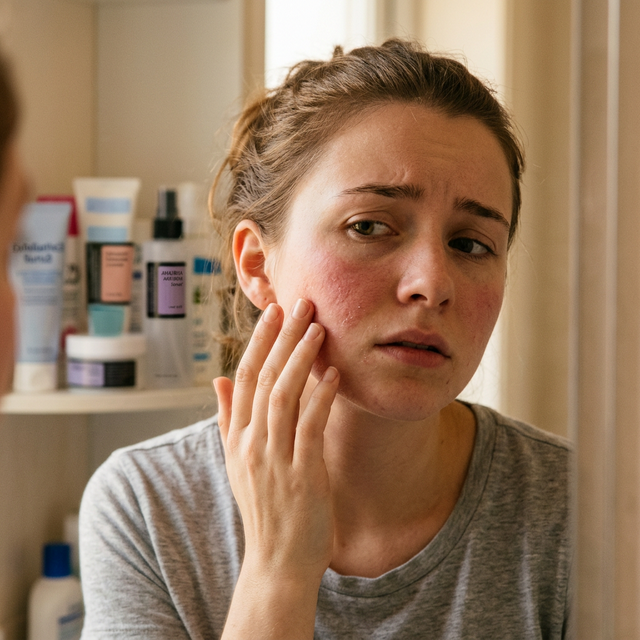
Your skin barrier might be compromised if you are experiencing any of these symptoms:
Persistent dryness and flaking that does not improve despite using moisturizer daily
Redness and irritation that appears especially after applying products that never bothered you before
Increased breakouts because barrier damage triggers inflammation and allows bacteria to invade
Stinging or burning sensation when applying products that previously felt comfortable
Dull, rough texture caused by impaired cell turnover and moisture loss
What Damages Your Barrier?
Over-exfoliation is the number one culprit. Using AHAs, BHAs, retinol, and physical scrubs too frequently literally dissolves the mortar between skin cells. Other common causes include harsh sulfate cleansers, washing with hot water, extreme weather changes, chronic stress, and prolonged exposure to pollution.
How to Repair a Damaged Barrier
Barrier repair follows the less is more principle. Strip your routine down to the essentials and let your skin heal.
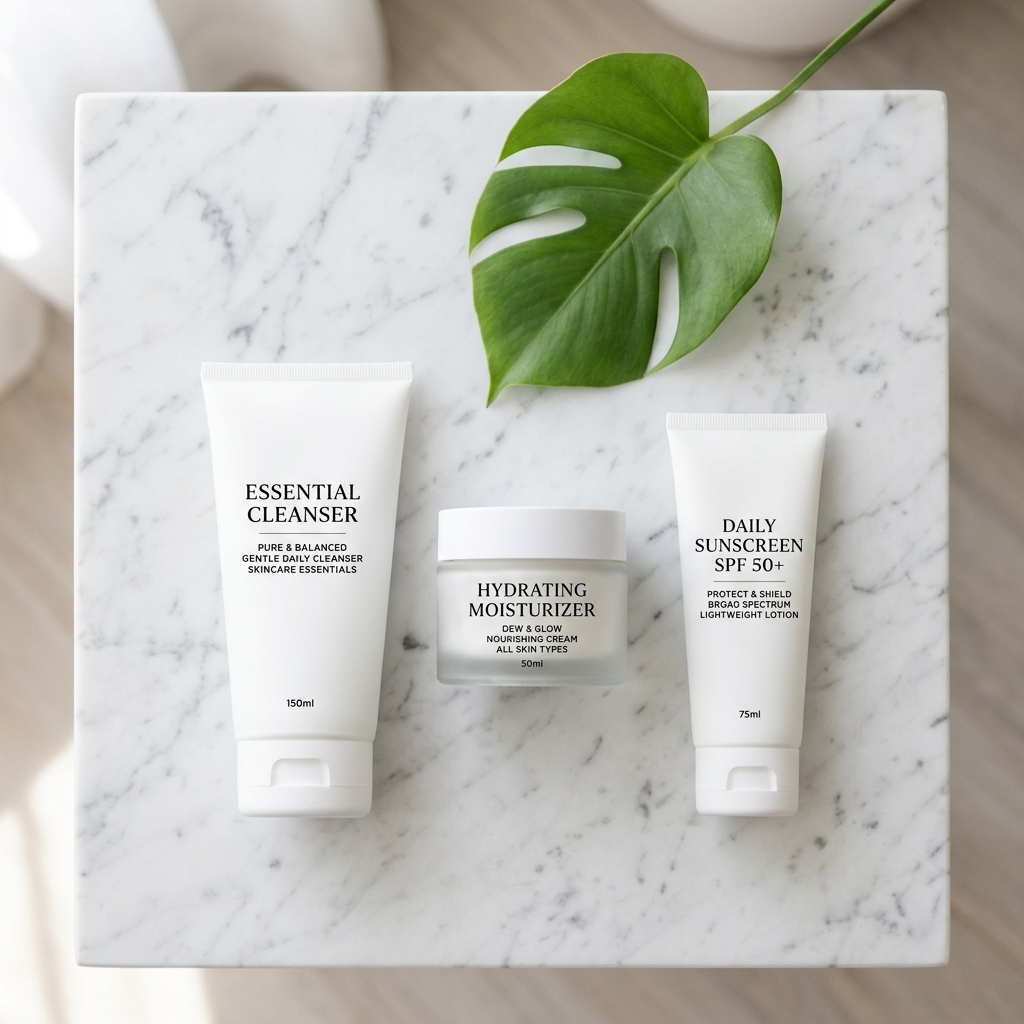
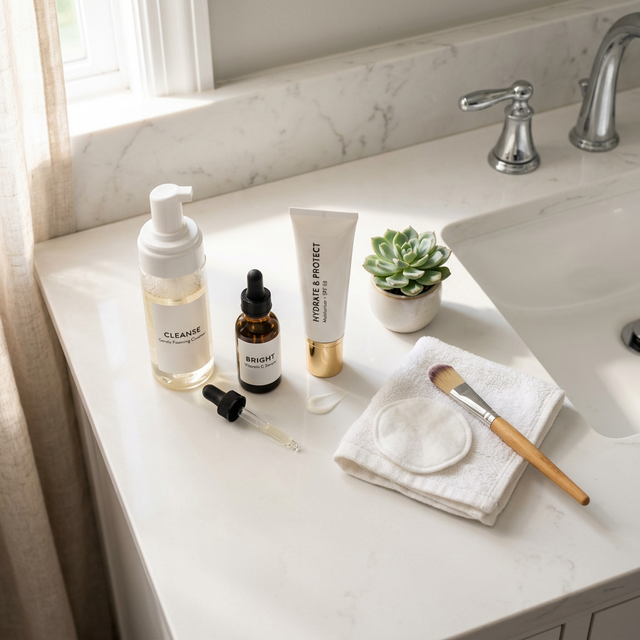
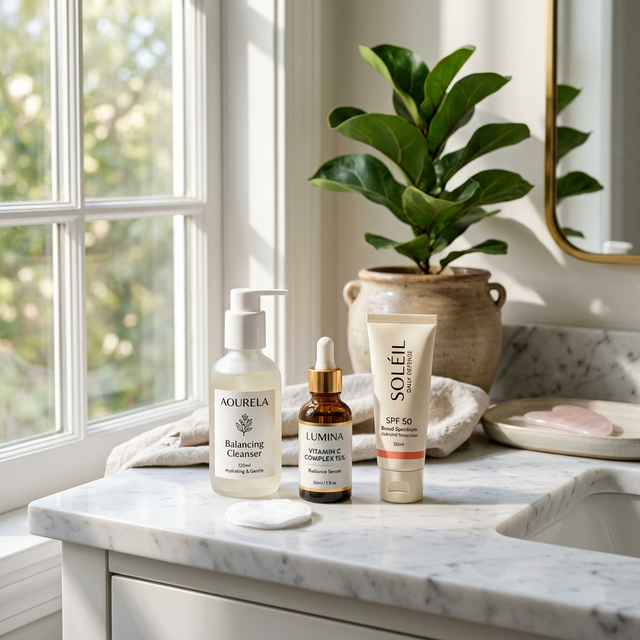
Simplify your routine to just three products — gentle cleanser, ceramide moisturizer, and SPF
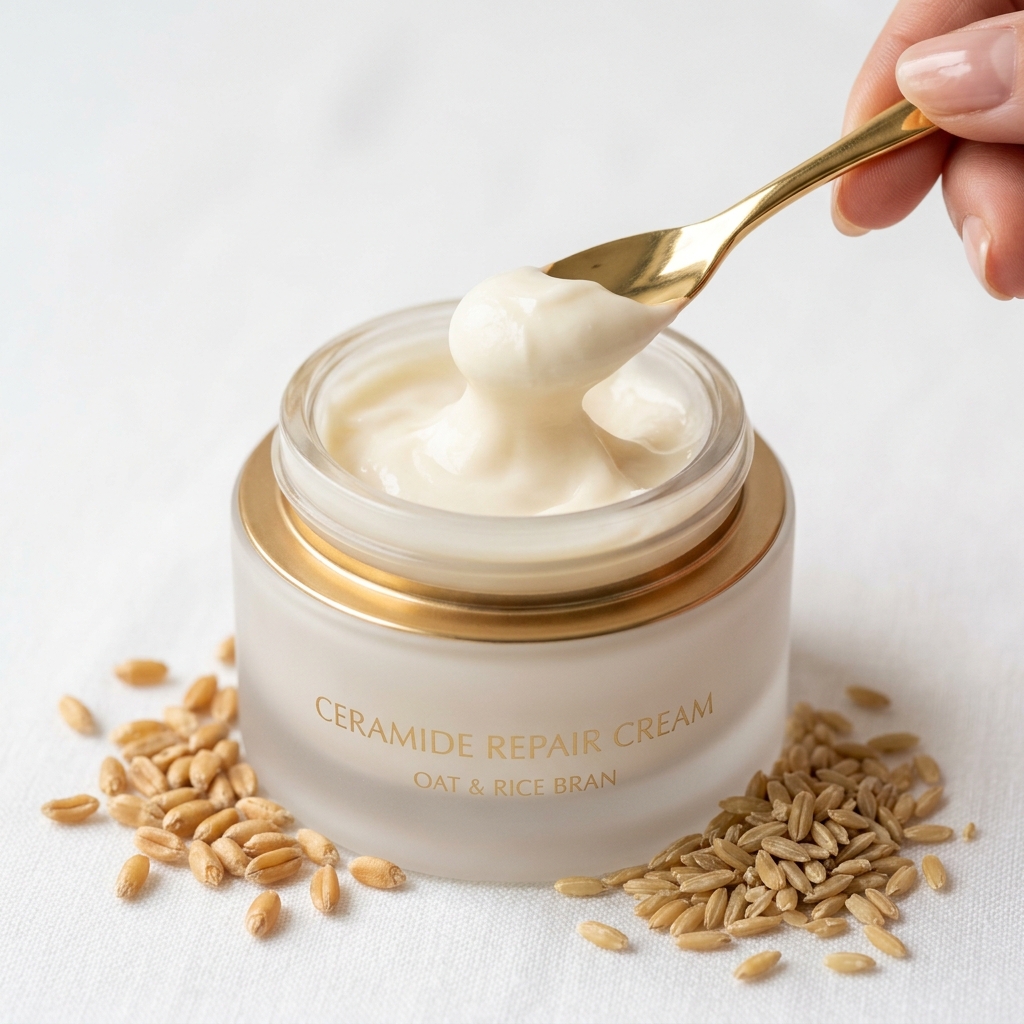
Use ceramide-rich products because they literally rebuild the mortar between skin cells
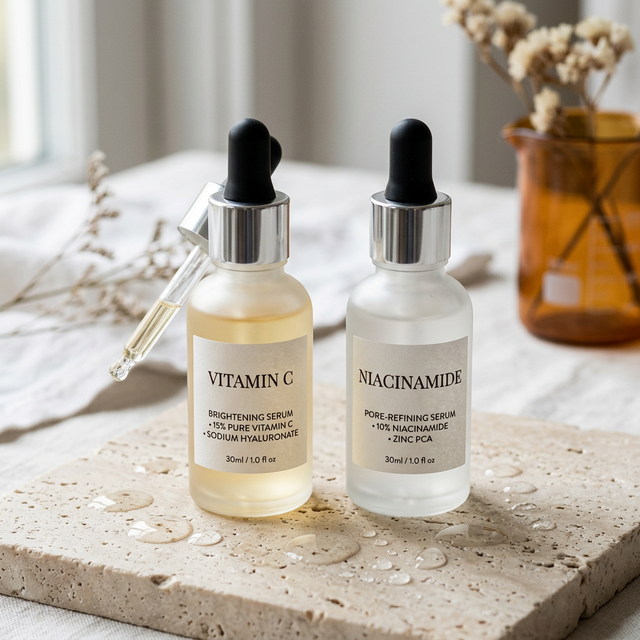
Add niacinamide which stimulates your skin's natural ceramide production
Pause all actives including retinol, AHAs, BHAs, and Vitamin C until healing is complete
Apply occlusive layers at night with squalane or petroleum jelly to seal moisture in while you sleep
"Your skin barrier takes four to six weeks to fully repair. Patience is the hardest but most important part of the healing process. Resist the urge to add products back too quickly."
How to Keep Your Barrier Strong Long-Term
Never over-exfoliate — two to three times per week maximum
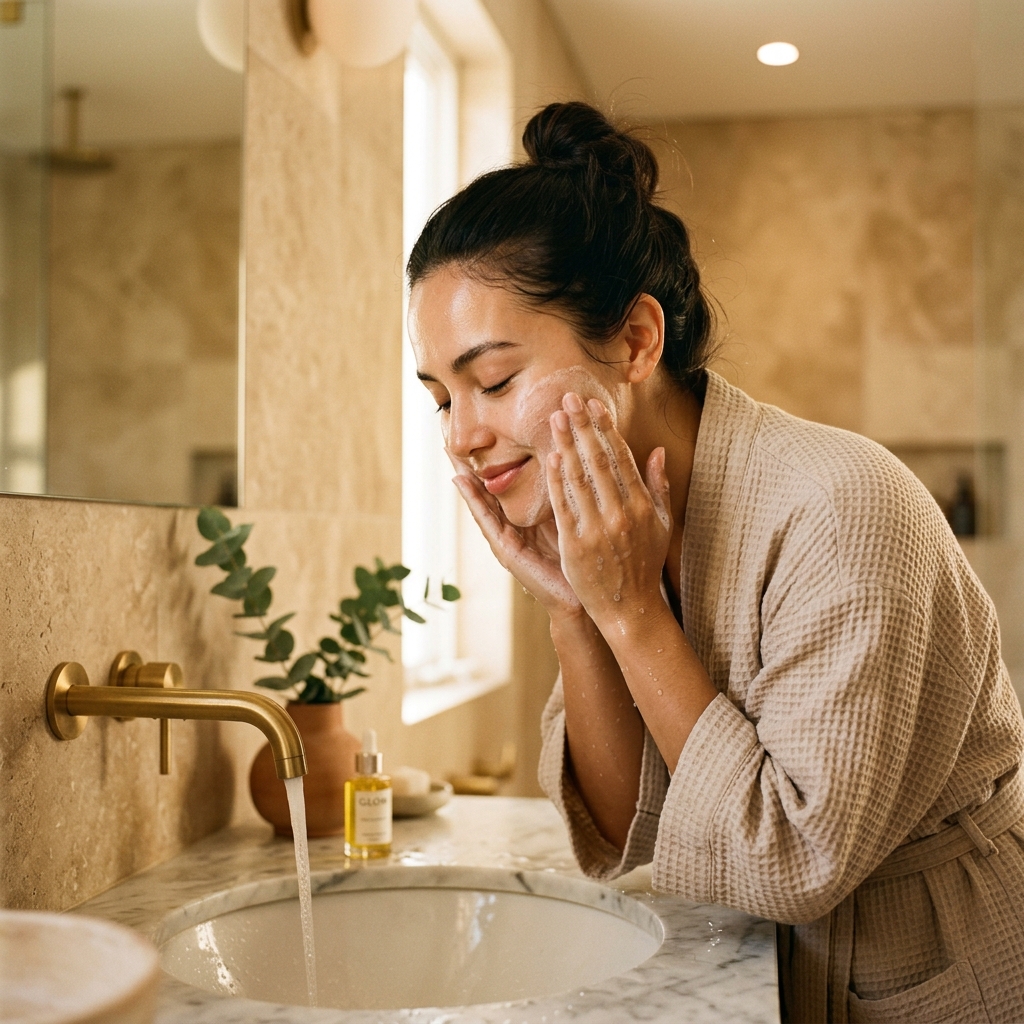
Always use lukewarm water when cleansing your face
Keep your routine simple and resist trends that push ten-step routines
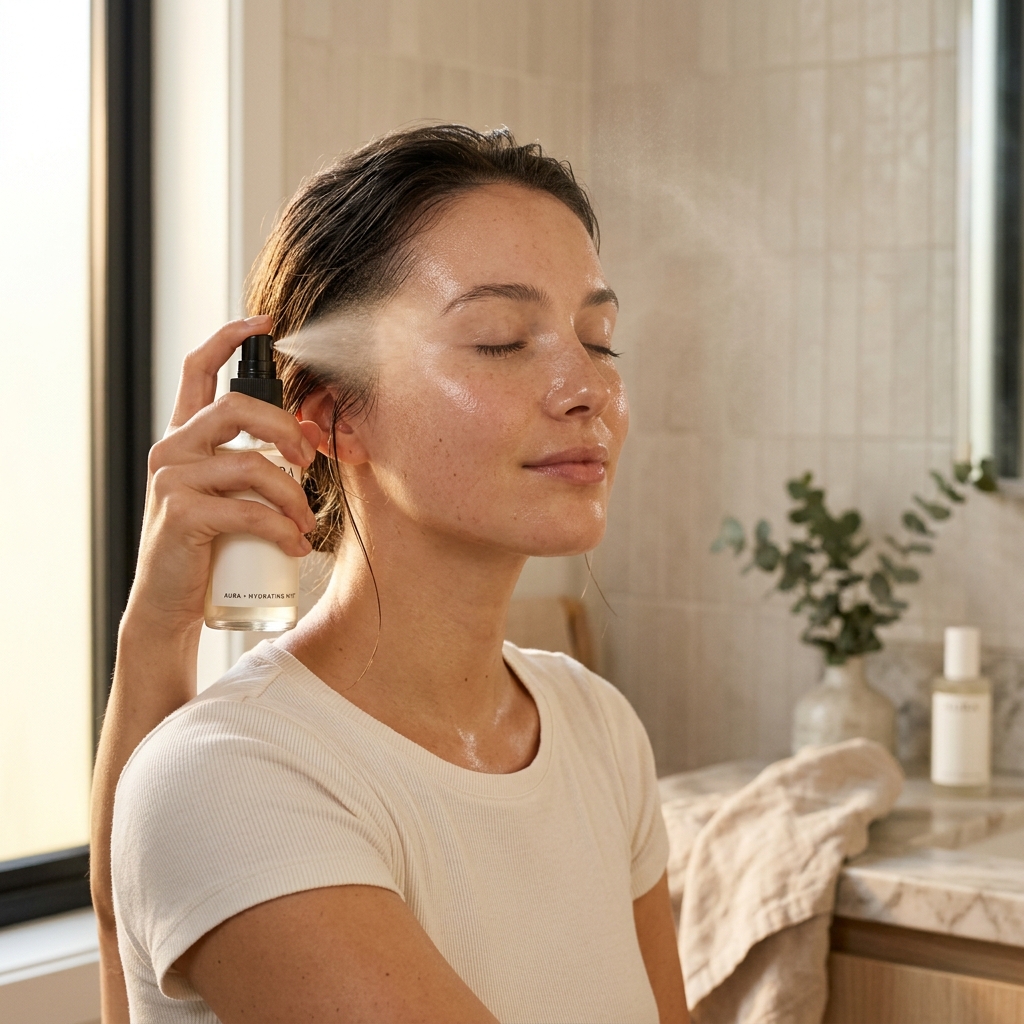
Moisturize while skin is still damp to lock in maximum hydration
The Bottom Line
Most stubborn skin problems — sensitivity, acne, dryness, redness — trace back to barrier damage. Before investing in expensive treatments, check whether your current routine is supporting or sabotaging your skin's natural defenses. Often, doing less is the most powerful thing you can do.
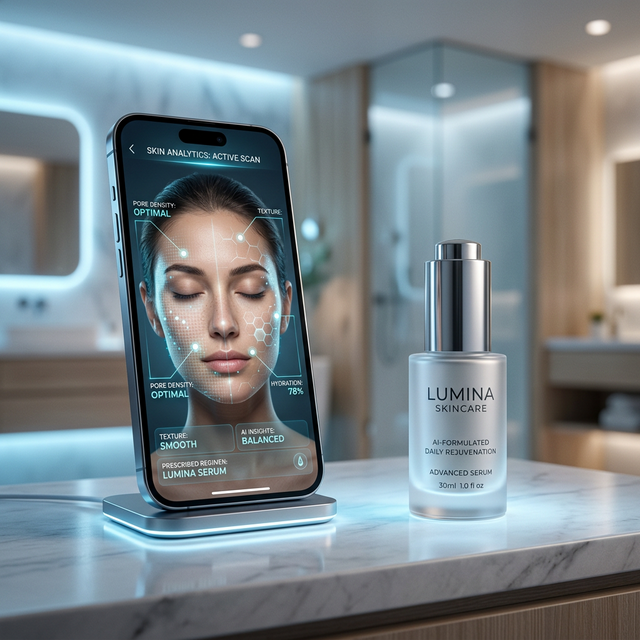
Bioglow-AI tracks your skin barrier health over time using AI-powered image analysis. Upload periodic selfies and get objective data on improvements in redness, texture, and hydration throughout your healing journey.





Loading responses...