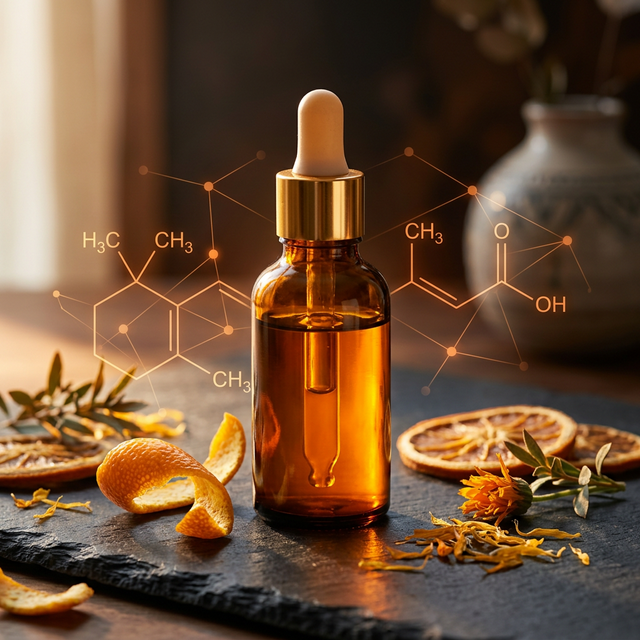
Retinol is the most extensively studied anti-aging ingredient in all of dermatology. A landmark review published in Clinical Interventions in Aging analyzing over five decades of clinical research confirms that retinoids — the family of Vitamin A derivatives — demonstrate unparalleled efficacy in treating photoaging, fine lines, hyperpigmentation, and acne. No other single topical ingredient addresses this breadth of skin concerns with this depth of evidence.
Yet most people either avoid it out of fear of side effects or use it incorrectly and abandon it prematurely. This guide covers everything a beginner needs to know based on published clinical data.
What Retinol Actually Does at the Molecular Level
Retinol must be converted in the skin through a two-step enzymatic process: retinol to retinaldehyde, then retinaldehyde to retinoic acid (tretinoin) — the biologically active form. Retinoic acid binds to nuclear retinoic acid receptors (RARs and RXRs), directly modulating gene expression. Research documents its effects: accelerated keratinocyte proliferation and differentiation, increased procollagen I and III synthesis in dermal fibroblasts, inhibition of matrix metalloproteinases (MMPs) that degrade collagen, and downregulation of tyrosinase to reduce melanin production.
Understanding Retinoid Strength Levels
The review categorizes retinoids by their distance from the active form (retinoic acid), which determines both potency and irritation potential:
Retinyl Palmitate — requires three conversion steps; gentlest form, minimal irritation, modest efficacy
Retinol — requires two conversion steps; the most common OTC form with a strong clinical evidence base
Retinaldehyde — requires one conversion step; clinically shown to be 11 times more potent than retinol with better tolerability than tretinoin
Tretinoin (Retinoic Acid) — prescription only; the gold standard with the strongest clinical evidence for wrinkle reduction and photodamage reversal
Adapalene — synthetic retinoid with selective RAR-gamma binding; superior tolerability profile for acne treatment
How to Start Without the Dreaded Retinoid Dermatitis
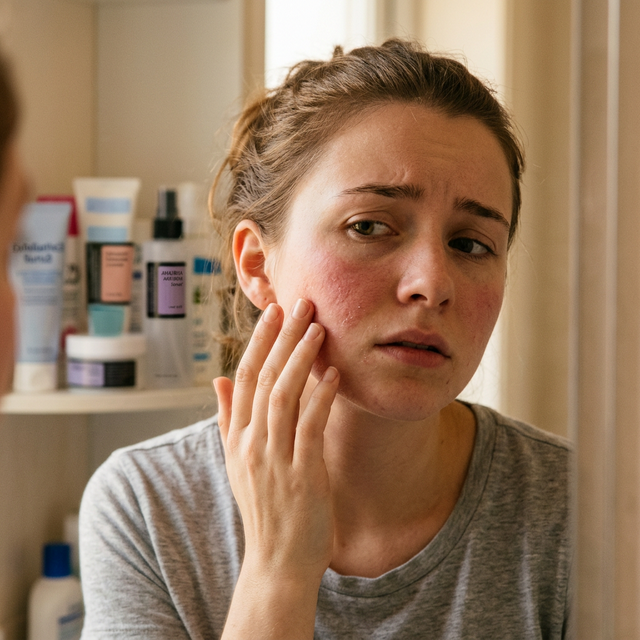
The retinoid adjustment period — characterized by dryness, peeling, erythema, and increased sensitivity — is the primary reason for discontinuation. Research supports this gradual introduction schedule:
Weeks 1–2: Apply every third night only
Weeks 3–4: Apply every other night
Week 5 onward: Apply nightly if tolerance is established
Always apply to completely dry skin — research demonstrates that residual moisture on the skin surface increases retinoid penetration rate and dramatically amplifies irritation. Use only a pea-sized amount for your entire face.
Ingredients to Never Combine with Retinol
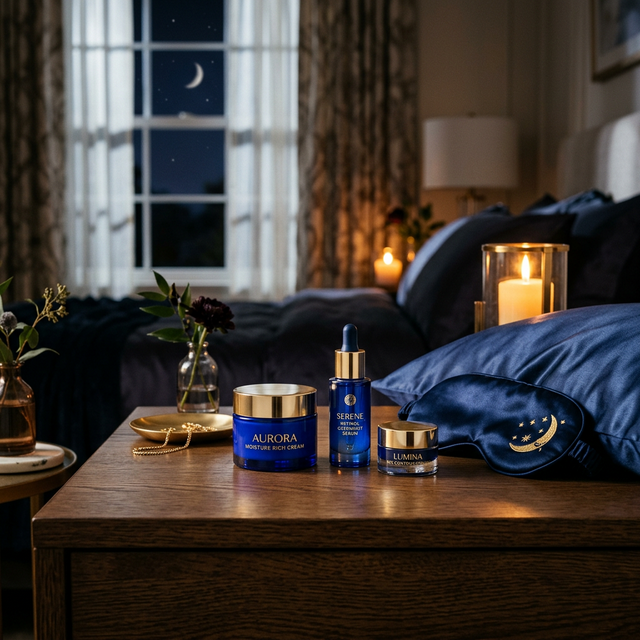
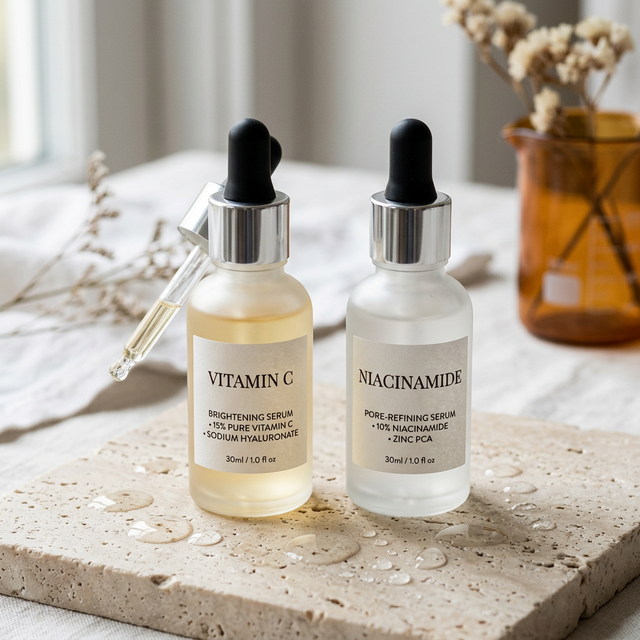
Avoid using retinol on the same night as AHAs, BHAs, benzoyl peroxide, or Vitamin C at low pH. These combinations can disrupt the retinoid's stability, lower local pH excessively, and cause cumulative barrier compromise. Research supports alternating nights: Vitamin C in the morning, retinol at night, with exfoliation on non-retinol evenings.
Essential Tips for Retinol Success
Buffer if needed — apply moisturizer before retinol during the first weeks to reduce irritation without significantly reducing efficacy
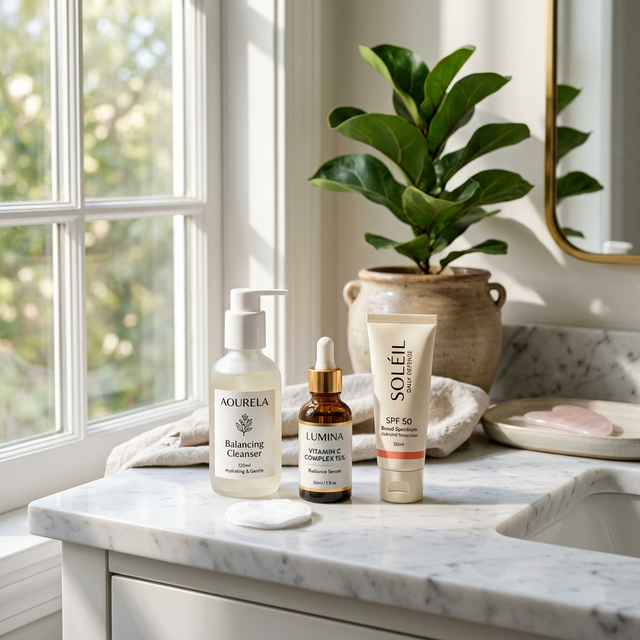
SPF is mandatory — retinoids thin the stratum corneum and increase photosensitivity
Be patient — clinical studies show visible results at 8 to 12 weeks with consistent use
Stop if burning occurs — mild stinging is expected during adjustment, but burning indicates overuse or sensitivity
"Start low, go slow. The biggest mistake with retinol is applying too much too soon. Your skin needs time to upregulate retinoid-metabolizing enzymes — and the results are absolutely worth the patience."
The Bottom Line
Retinol is not optional if you are serious about evidence-based anti-aging skincare. It is the one ingredient with decades of undeniable clinical proof across multiple double-blind randomized controlled trials. The key is starting gently, building tolerance systematically, and maintaining consistent use long-term.
Bioglow-AI's product compatibility checker identifies safe retinol pairings for your entire routine — so you can build an effective regimen without risking ingredient conflicts.
Reference: Mukherjee, S., Date, A., Patravale, V., Korting, H.C., Roeder, A., & Weindl, G. (2006). "Retinoids in the treatment of skin aging: An overview of clinical efficacy and safety." Clinical Interventions in Aging, 1(4), 327–348. doi:10.2147/ciia.2006.1.4.327



Loading responses...