
Your skin barrier — the stratum corneum — is the outermost layer of defense that protects you from environmental damage, locks in moisture, and keeps irritants out. Research published in the Journal of Investigative Dermatology describes this barrier as a "brick and mortar" structure, where corneocytes act as bricks and intercellular lipids serve as the mortar. When it is healthy, your skin looks smooth, feels comfortable, and handles products well. When it is compromised, everything falls apart — redness, flaking, breakouts, and sudden sensitivity become your daily reality.
The frustrating part is that many common skincare habits are the ones causing the damage. Here are five mistakes that silently wreck your barrier, along with expert-backed fixes supported by peer-reviewed dermatological studies.
Mistake 1: Over-Exfoliating
Chemical exfoliants like AHAs and BHAs are powerful tools for cell turnover, but more is never better. Research demonstrates that excessive exfoliation strips away corneocytes faster than your body can replace them, leading to increased transepidermal water loss (TEWL) and compromised barrier integrity. The stratum corneum requires approximately 14 days for complete turnover under normal conditions. Limit exfoliation to two to three times per week and never combine AHAs with retinol on the same night. Studies show that even single sessions of aggressive chemical peeling can elevate TEWL by up to 30 percent for several days.
Mistake 2: Skipping Sunscreen on Cloudy Days
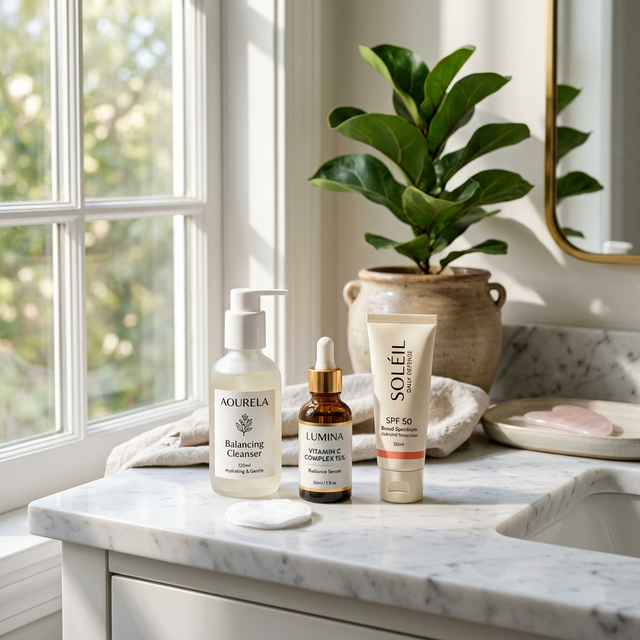
Up to 80 percent of UVA rays penetrate clouds and standard window glass. UVA radiation is the primary driver of photoaging and barrier degradation. Research has shown that chronic UV exposure thins the stratum corneum, reduces ceramide content, and accelerates the breakdown of collagen and elastin in the dermis. Apply broad-spectrum SPF 30 or higher every single morning, rain or shine — even when indoors near windows. Daily sunscreen use was shown in a landmark randomized controlled trial to reduce clinical signs of skin aging by 24 percent over four and a half years.
Mistake 3: Using Hot Water to Wash Your Face
Hot water feels soothing but it strips essential lipids from your skin barrier. The intercellular lipid matrix — composed of ceramides, cholesterol, and free fatty acids in a precise molar ratio — is partially solubilized by high water temperatures. The result is that tight, uncomfortable feeling after washing. Research in skin physiology confirms that water temperature above 40 degrees Celsius significantly increases TEWL. Always use lukewarm water between 32 and 37 degrees Celsius for cleansing — this single change can dramatically reduce post-wash dryness and irritation.
Mistake 4: Introducing Too Many Products at Once
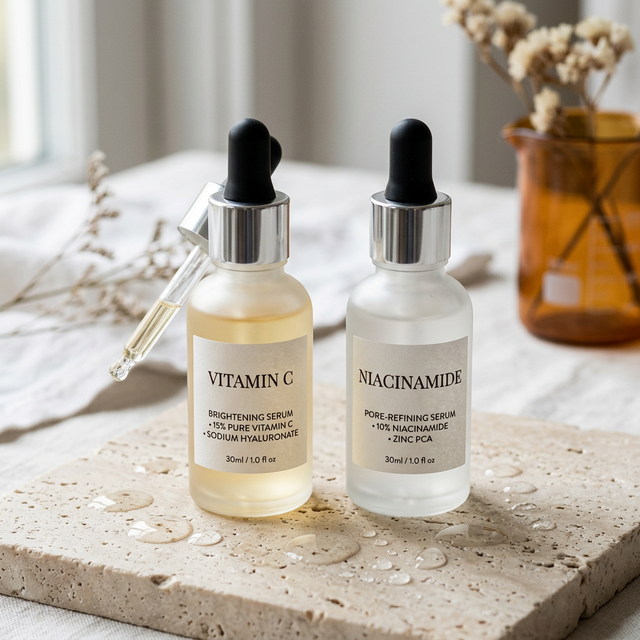
Starting three or four new products simultaneously makes it impossible to identify what is helping and what is causing problems. Dermatological research consistently recommends the principle of sequential introduction — add one product at a time and give it a minimum of two to three weeks before introducing another. This approach allows you to identify adverse reactions accurately and isolate beneficial effects. Patch testing on a small area of the jawline for 48 to 72 hours before full-face application is supported by contact dermatitis research as a reliable screening method.
Mistake 5: Ignoring Your Skin Type When Choosing Products
A rich cream formulated for dry skin will occlude oily pores and trigger comedogenesis. A mattifying toner designed for oily skin will further dehydrate dry skin by stripping residual sebum. Research in cosmetic dermatology emphasizes that product selection based on accurate skin typing — including assessments of sebum production, hydration levels, and sensitivity — is fundamental to effective skincare. Know your skin type first, then choose products designed for it. Getting this wrong means even clinically proven products will work against you.
Quick Tips for Barrier Protection
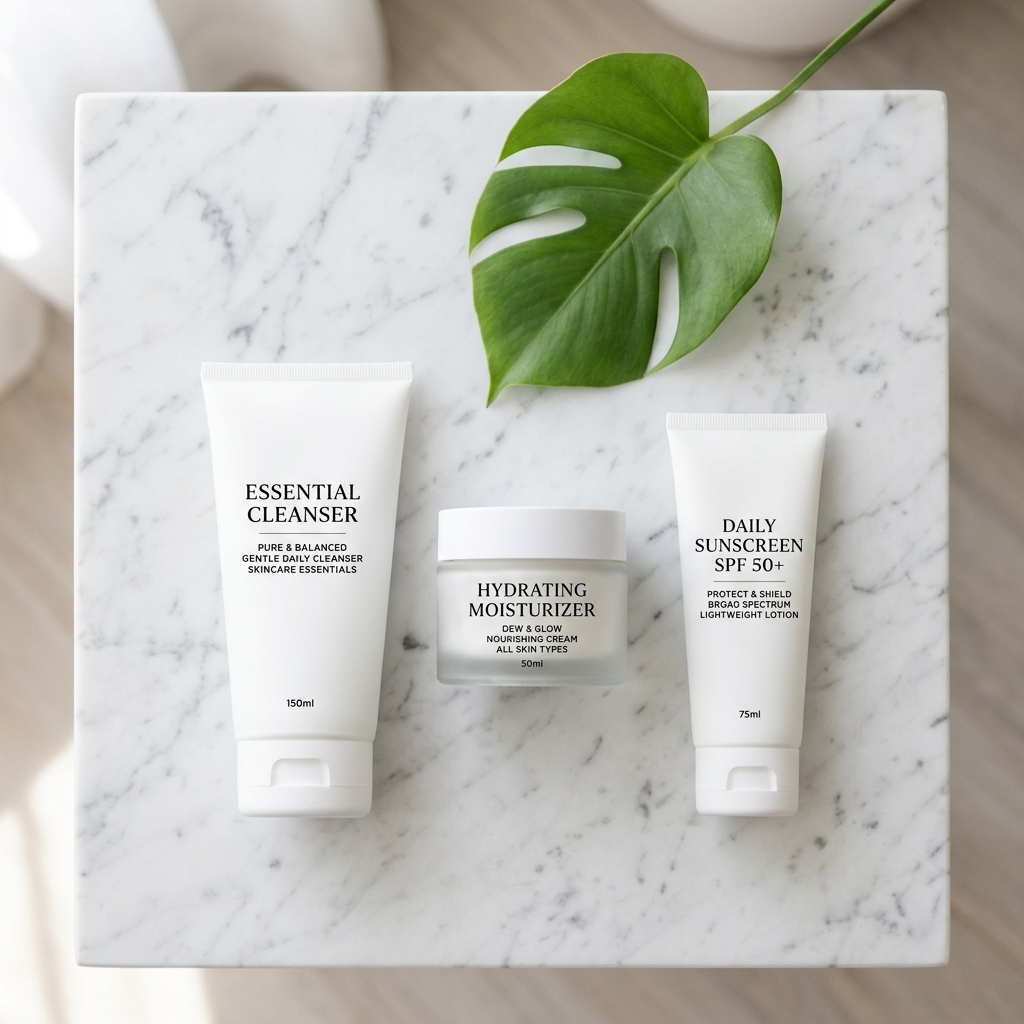
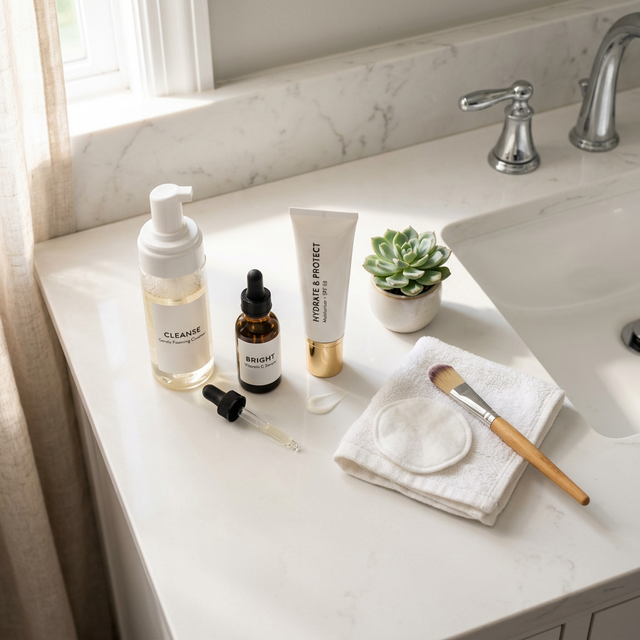
Simplify your routine when your skin feels irritated — cleanser, moisturizer, and SPF are enough
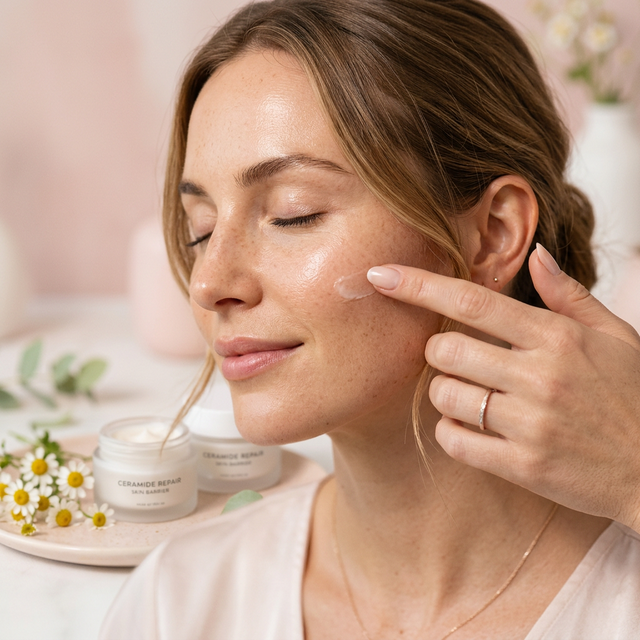
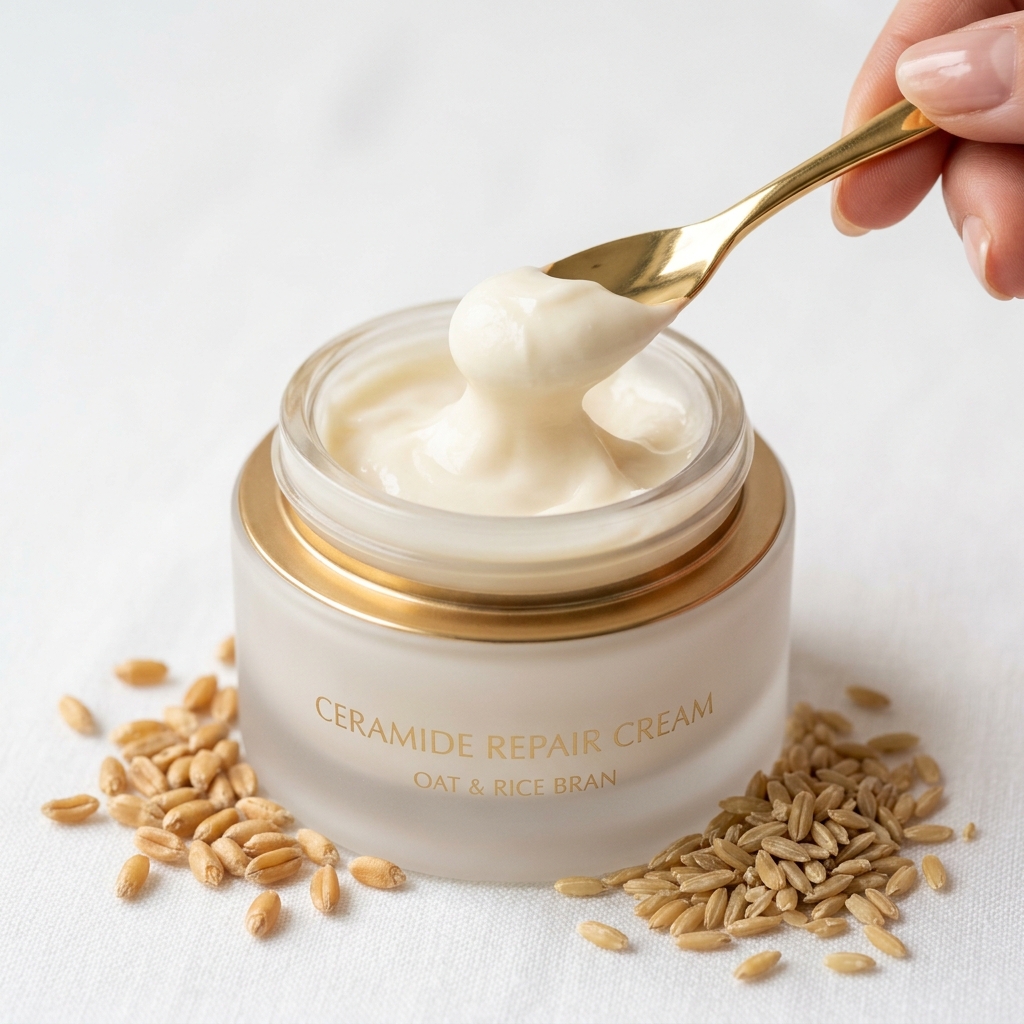
Look for ceramides in your moisturizer — they literally rebuild barrier structure
Never skip moisturizer, even if your skin is oily — dehydrated oily skin overproduces sebum
Patch test everything new on your jawline before full-face application
"Protecting your skin barrier is not about adding more products — it is about using the right ones, in the right order, at the right frequency."
The Bottom Line
Most skin problems are not caused by bad genetics or pollution alone. They are caused by well-intentioned habits that quietly damage the very barrier meant to protect you. Research consistently shows that a simplified, barrier-supportive approach yields better outcomes than complex multi-product routines. Fix these five mistakes and you will likely see improvements in your skin within weeks, without buying a single new product.
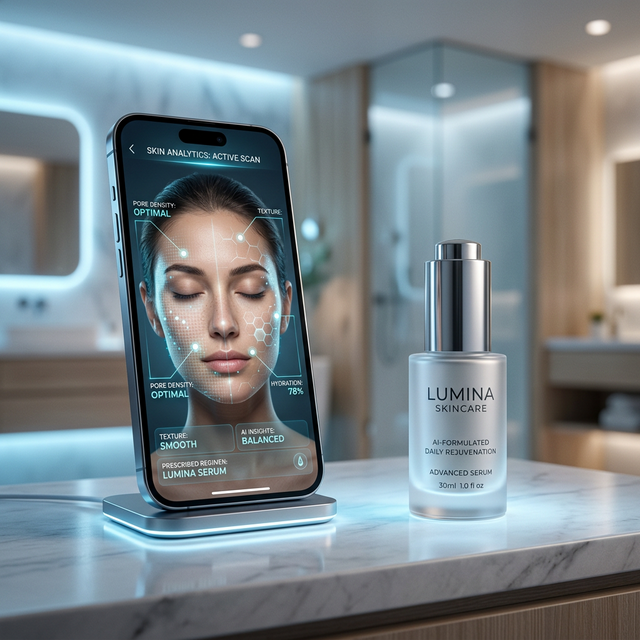
Bioglow-AI's skin analysis identifies your exact skin type and concerns, then matches you with products that support rather than damage your barrier.
Reference: Elias, P.M. (2005). "Stratum corneum defensive functions: An integrated view." Journal of Investigative Dermatology, 125(2), 183–200. doi:10.1111/j.0022-202X.2005.23587.x







Loading responses...