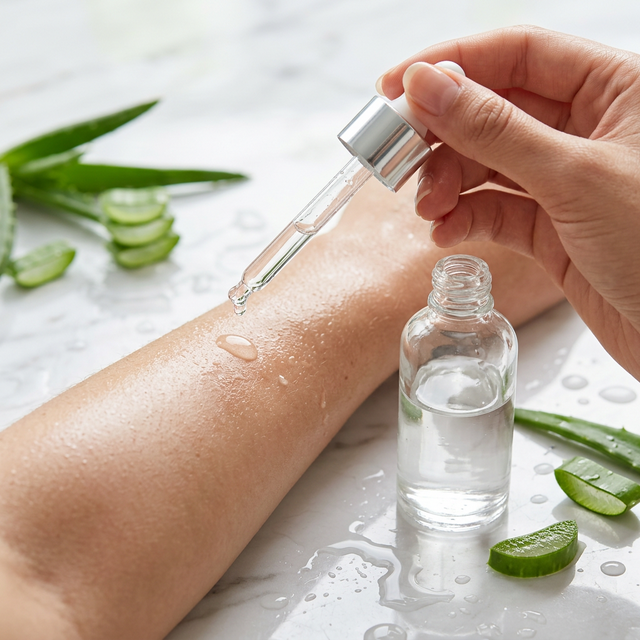
Hyaluronic acid (HA) appears in almost every skincare product on the market today. A pivotal review published in Dermato-Endocrinology describes HA as a key molecule in skin aging — a naturally occurring glycosaminoglycan that constitutes a major component of the dermal extracellular matrix. The research confirms its remarkable water-binding capacity, but also reveals critical details about molecular weight, application context, and formulation that most brands fail to communicate.
Understanding these nuances can mean the difference between plump, hydrated skin and the disappointing results many users experience.
What Is Hyaluronic Acid?
Hyaluronic acid is a linear polysaccharide composed of repeating disaccharide units of D-glucuronic acid and N-acetyl-D-glucosamine. It is found abundantly in the dermis, where it constitutes up to 50 percent of total body HA content. Research shows that a single gram can bind up to six liters of water through its highly hydrophilic molecular structure. As you age, epidermal HA production declines — studies demonstrate a reduction of approximately 50 percent between age 20 and 50, contributing directly to reduced skin turgor, fine lines, and loss of volume.
Why Molecular Weight Is the Critical Variable
The review in Dermato-Endocrinology emphasizes that molecular weight determines HA's biological activity and skin penetration depth. This is the single most important factor most consumers overlook.
High molecular weight HA (over 1000 kDa) — cannot penetrate the stratum corneum; forms a hygroscopic film on the skin surface that reduces TEWL and provides surface hydration
Low molecular weight HA (50 to 400 kDa) — penetrates into the epidermis, providing deeper and longer-lasting hydration; research also shows anti-inflammatory properties at these molecular weights
Ultra-low molecular weight HA (below 50 kDa) — achieves deepest penetration but paradoxically can trigger pro-inflammatory signaling in some individuals. Use with caution
Multi-molecular HA serums — combine multiple weights for simultaneous surface and deep hydration, supported by clinical studies showing superior efficacy over single-weight formulations
The Humidity Trap Nobody Talks About
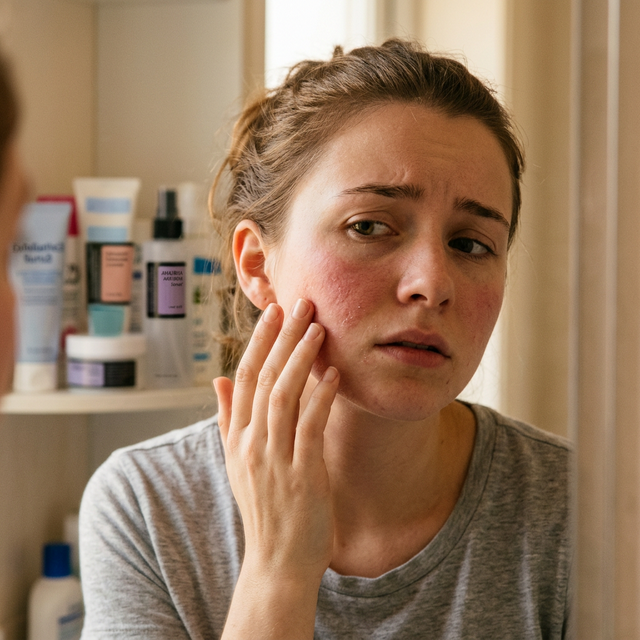
Here is a critical finding from the research: in low humidity environments (below 40 percent relative humidity — typical in air-conditioned offices and dry climates), high molecular weight HA on the skin surface can draw water from the deeper viable epidermis rather than from the ambient air. This counterintuitive effect, documented in multiple studies, can leave skin feeling more dehydrated than before application. The solution is simple — always seal HA with an occlusive moisturizer or emollient to trap moisture directionally.
How to Use Hyaluronic Acid Based on Research
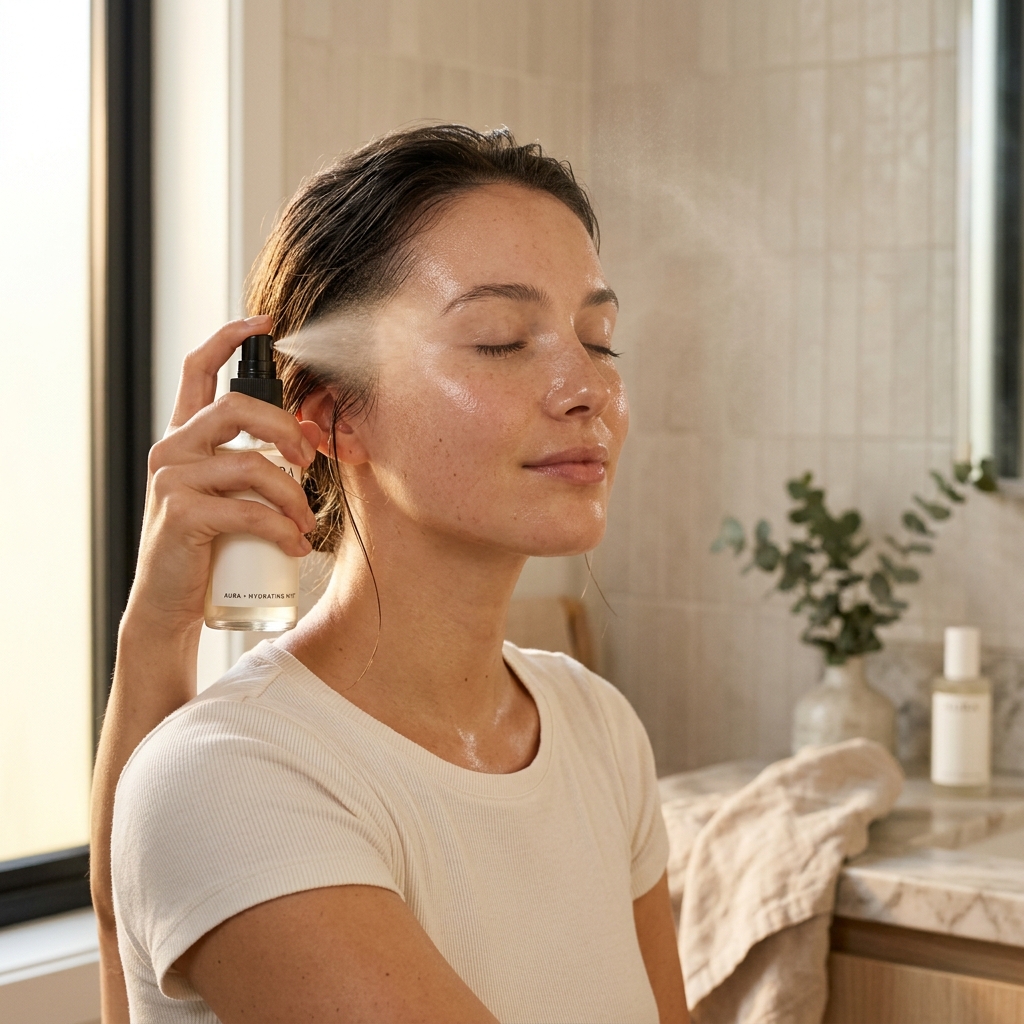
Apply to damp skin — provide external water molecules for HA to bind rather than allowing it to draw from deeper skin layers
Follow immediately with moisturizer — occlusives like dimethicone, petrolatum, or ceramide-based creams trap the water HA attracts
Use twice daily (morning and night) for sustained hydration — HA's effects are transient and require consistent reapplication
Choose multi-molecular formulas for the most comprehensive hydration across skin depths
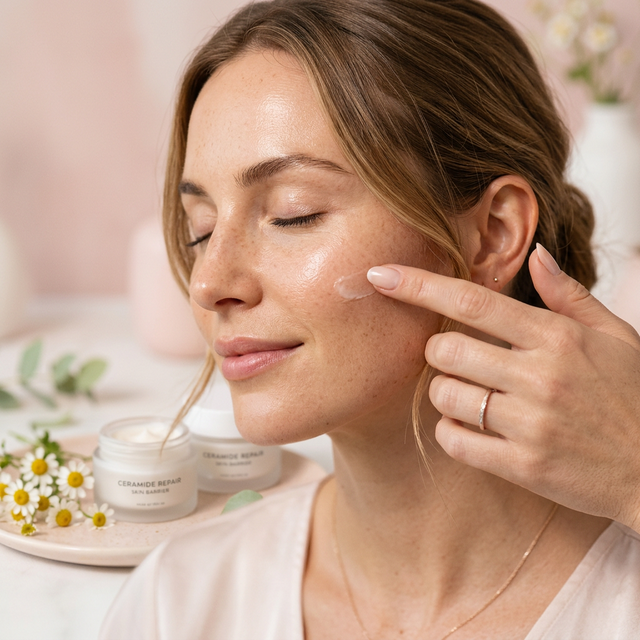
Pair with ceramides — research shows this combination provides synergistic barrier protection
"Hyaluronic acid is a scientifically validated hydration tool — but it is not a standalone solution. Its effectiveness is entirely dependent on proper application technique and environmental context."
The Bottom Line
Hyaluronic acid deserves its reputation as a hydration powerhouse, but only when used correctly. The research shows that molecular weight selection, application to damp skin, and occlusive sealing are the three non-negotiable factors that determine whether HA delivers visible plumping or paradoxical dehydration.
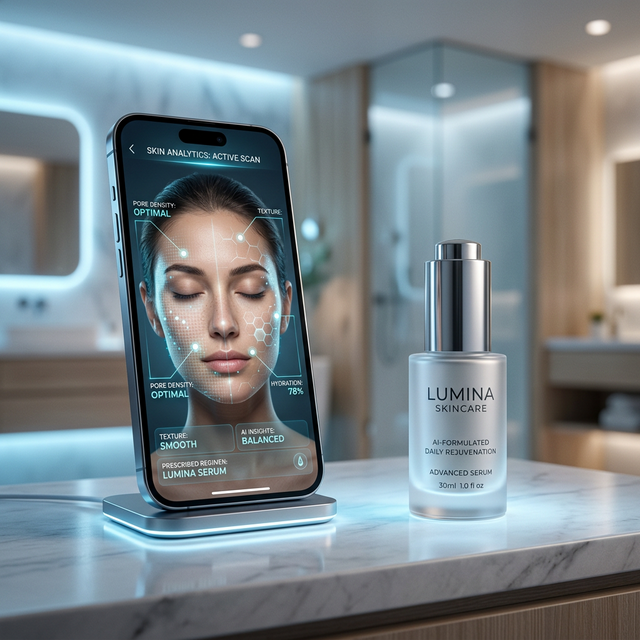
Not sure which HA product matches your skin type and climate? Bioglow-AI can recommend the exact formula and concentration tailored to your unique skin needs.
Reference: Papakonstantinou, E., Roth, M., & Karakiulakis, G. (2012). "Hyaluronic acid: A key molecule in skin aging." Dermato-Endocrinology, 4(3), 253–258. doi:10.4161/derm.21923






Loading responses...