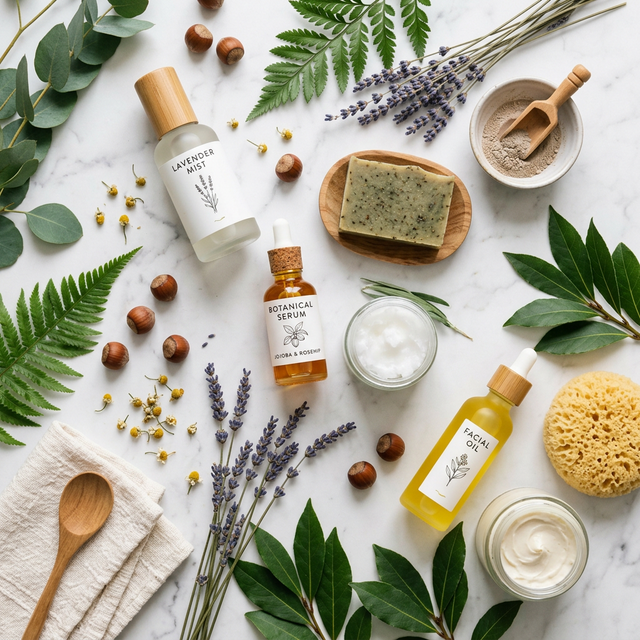
The clean beauty market is projected to reach 22 billion dollars by 2027. Walk into any beauty store and you will see shelves lined with products proudly labeled natural, clean, and free from toxins. But here is an uncomfortable truth that the industry does not want you to hear: clean is a marketing term, not a scientific one.
That does not mean ingredient safety is irrelevant. It means you need better information to make genuinely smart choices instead of fear-based ones. Let us separate the facts from the fiction.
What Does Clean Beauty Actually Mean?
There is no official FDA or regulatory definition for clean beauty. The term generally refers to products made without ingredients considered potentially harmful — like parabens, sulfates, phthalates, and synthetic fragrances. However, clean does not automatically mean effective, and synthetic does not automatically mean dangerous. Context matters enormously.
What the Science Really Says
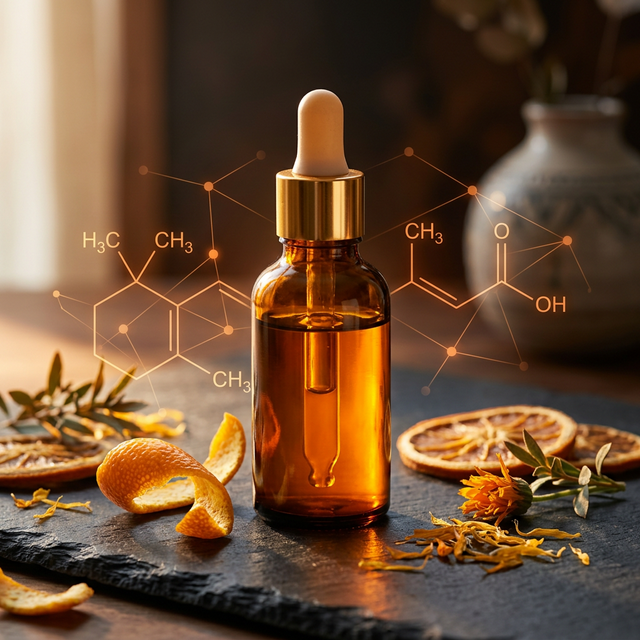
Ingredient safety depends on concentration and context, not just chemical names printed on labels. Many clean brands demonize ingredients that are perfectly safe at regulated concentrations while promoting natural alternatives that can actually cause allergic reactions and irritation. Essential oils, for example, are natural but contain known skin sensitizers.
What You Should Actually Avoid
Based on current dermatological research, these ingredients genuinely warrant caution:
High-concentration synthetic fragrances — among the most common causes of contact dermatitis and allergic reactions
Formaldehyde-releasing preservatives — linked to skin sensitization and irritation over time
Certain older chemical UV filters — some raise environmental and potential endocrine disruption concerns
What Is Actually Safe Despite the Fear
Parabens at regulated concentrations have decades of safety data behind them. Silicones are non-comedogenic and completely inert on human skin. Preservatives are essential — without them, your clean moisturizer becomes a breeding ground for bacteria, mold, and yeast within weeks of opening.
Tips for Genuinely Smart Product Choices
Read ingredient lists instead of trusting front-label marketing claims
Look for clinical evidence that a product works, not just clean certifications
Be skeptical of fear-based messaging that demonizes entire ingredient categories
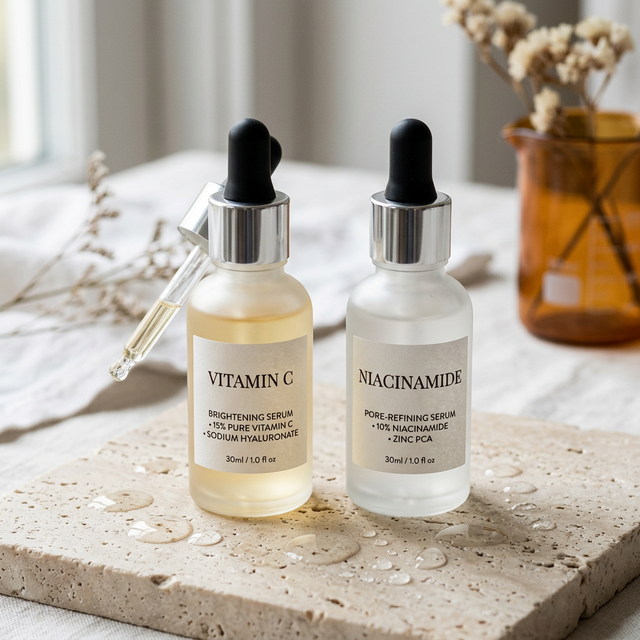
Prioritize products with proven actives like retinol, niacinamide, and Vitamin C regardless of whether they are labeled clean
"The cleanest skincare routine is one that is effective, well-formulated, and appropriate for your skin type. Do not let fear-based marketing override science."
The Bottom Line
Clean beauty is not inherently wrong, but the movement has been hijacked by marketing that exploits consumer fear. Your skin does not care whether a product is labeled clean or conventional. It cares whether the formula is well-made, properly preserved, and designed for your specific skin concerns.
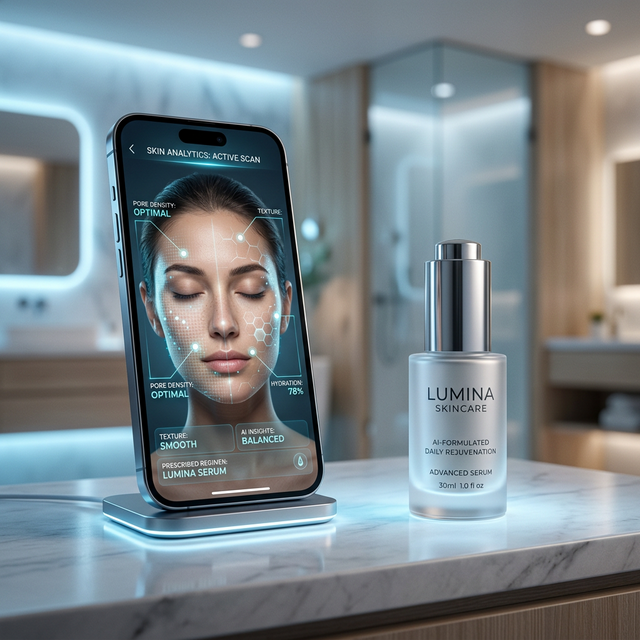
At Bioglow-AI, we recommend products based on scientific evidence and ingredient compatibility — not buzzwords. Our AI evaluates products for both safety and efficacy so you get results without compromise.



Loading responses...